


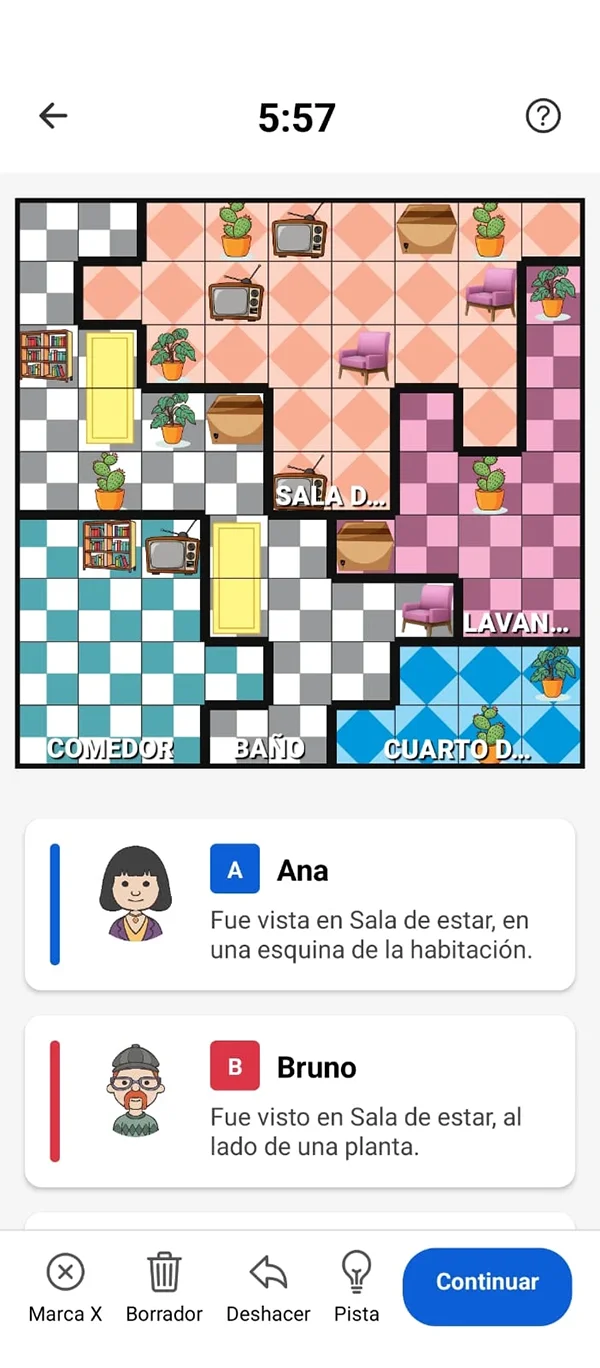
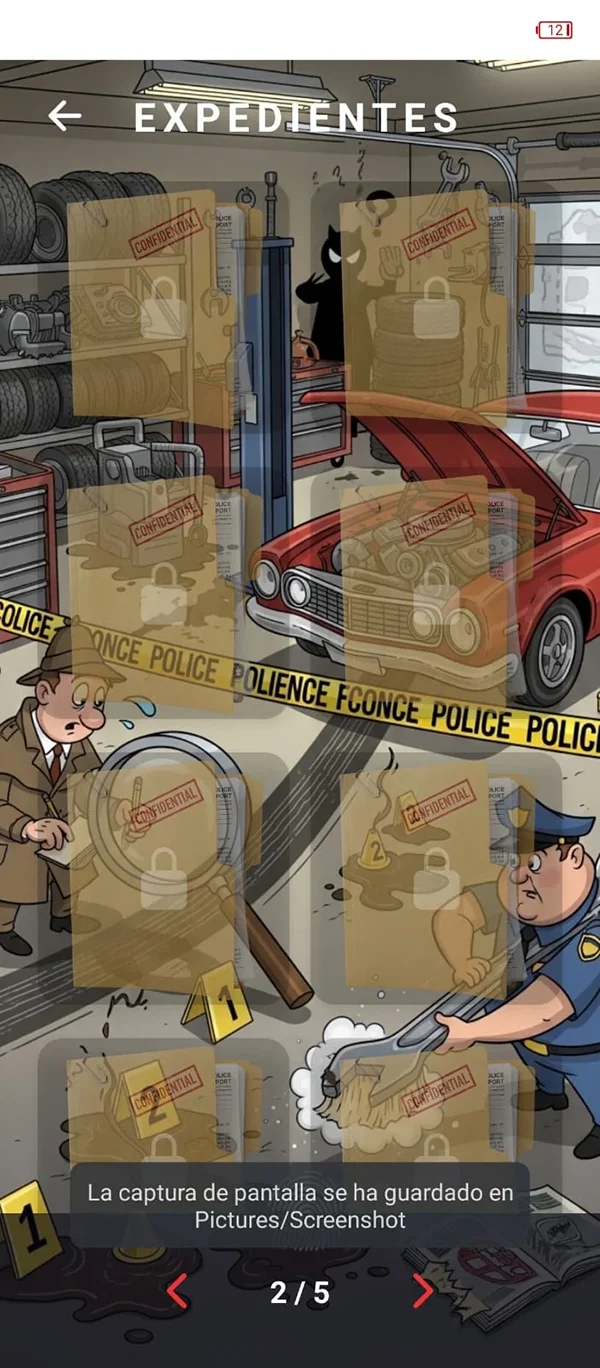

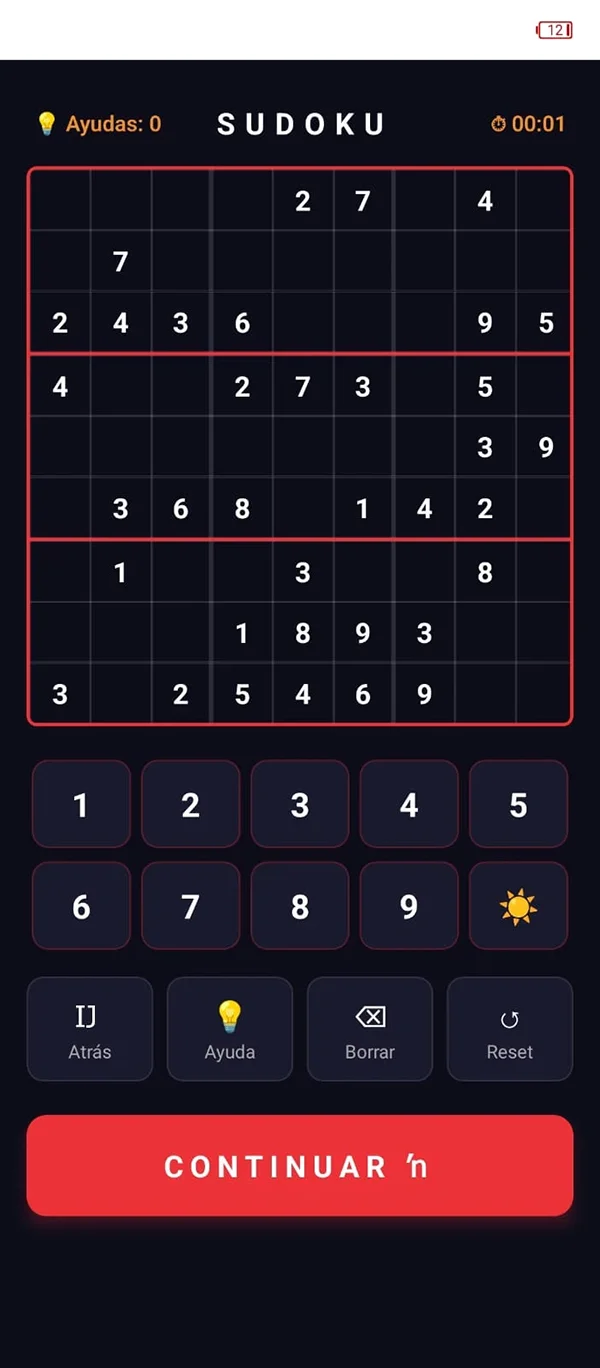
Murdoku is a detective puzzle game that turns a crime scene into a Sudoku-style logic board. Instead of filling a grid with numbers, you work out where each suspect stood. Then identify the person who shared a location with the victim. The premise gives every placement a role in the investigation: a correct position narrows the case, while a wrong one can leave the clues impossible to reconcile.
Place the Suspects, Then Find the Culprit
Each puzzle asks you to determine a location for every suspect. The target is the culprit who was with the victim when the crime happened. Reaching that answer means arranging the whole scene rather than guessing from one description. Basic Sudoku rules are folded into this process, making position and elimination central to the case.
That blend gives the game a concrete reason to inspect every move. A placement is not only a mark on a board; it changes who can still occupy the remaining spaces. A minor clue can rule out a suspect’s position. As the level grows more complex, that decision alters the rest of the deduction.
A Puzzle Loop for Short or Longer Sessions
The game is built around progressing through increasingly complex levels. Its detective framing keeps the focus on a single scene at a time, which suits a short break when you want a defined problem to solve. Longer sessions can follow the same pattern across several cases, with later puzzles asking for more strategic thinking.
Murdoku does not require a constant internet connection, so a case can be approached without staying online. A logic puzzle works well in that setting because the work is self-contained. Read the setup, rule out positions, and adjust the board until the culprit’s location makes sense alongside every suspect.
Use Elimination Instead of Speed
The rules are described as easy to learn, but the game’s detective premise encourages a more deliberate pace. Start by identifying what a clue confirms, then use it to discard placements that cannot fit. A single decision may affect more than one suspect, so it is worth checking the full scene before treating any early answer as final.
This makes the game closer to a reasoning exercise than a fast reflex challenge. The satisfaction comes from reaching a complete arrangement that accounts for the victim, the suspects, and the logic constraints. It also gives each level a clear endpoint: the detective work is finished only when the positions expose the culprit.
Murdoku contains ads. It uses a mystery as the frame for grid-based deduction. Every single level begins with a crime scene and ends when the board reveals who was with the victim for a complete solve.










Comments (0)
No comments yet. Be the first!