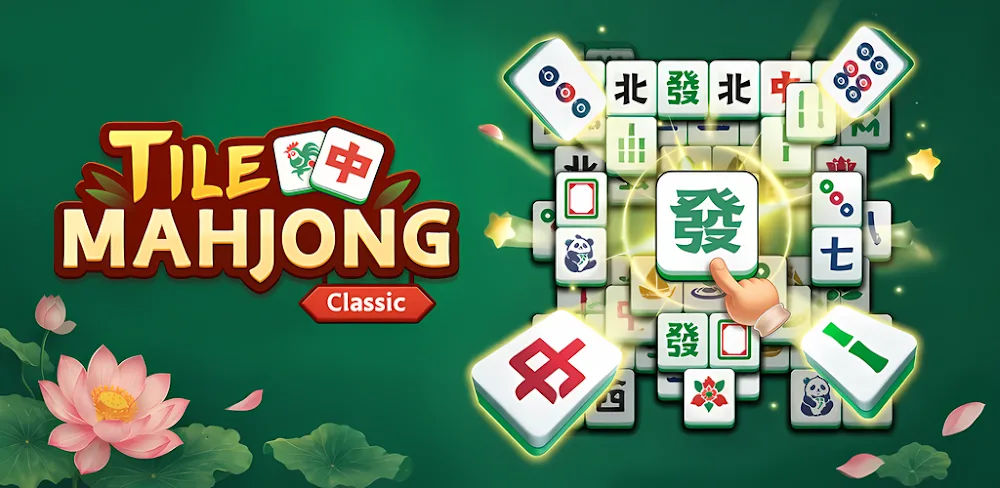

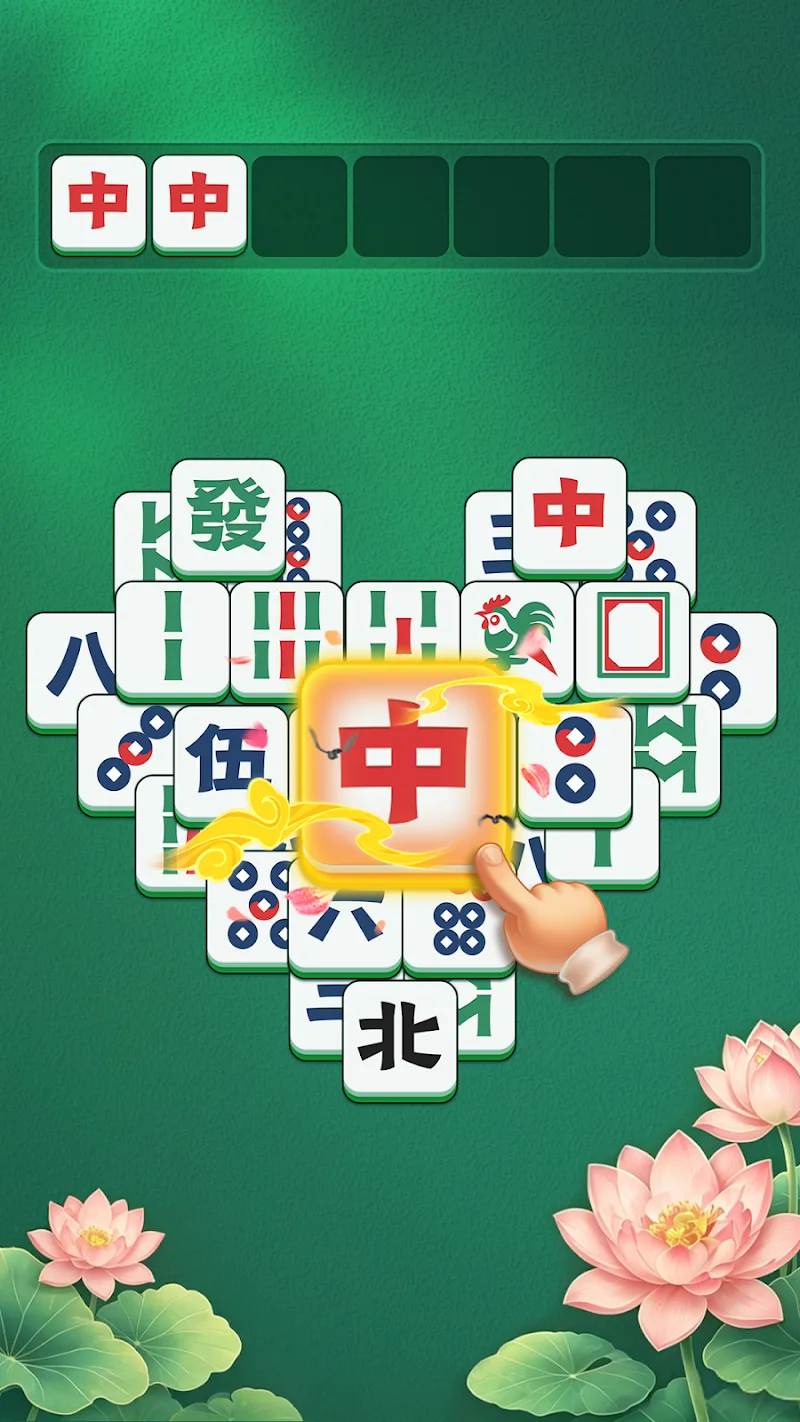
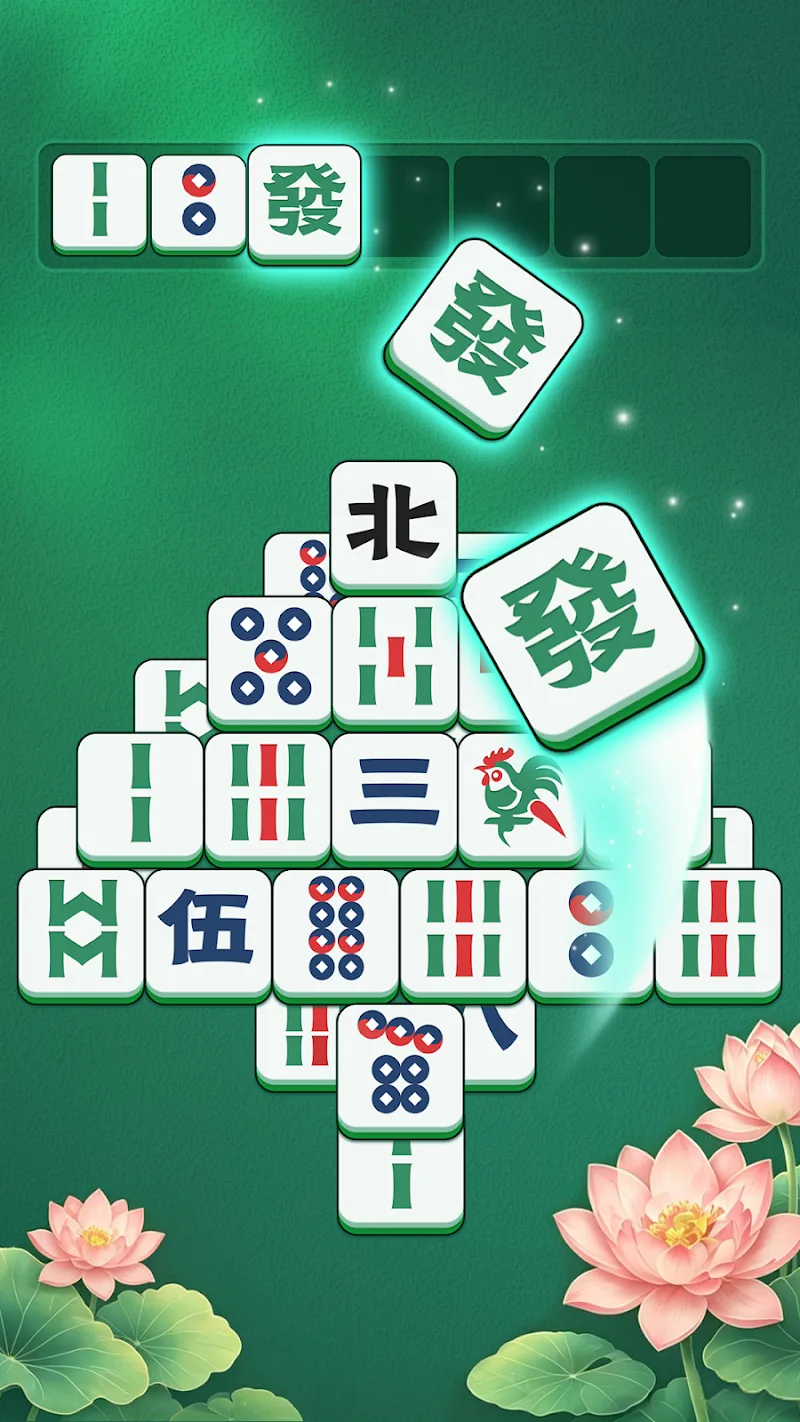
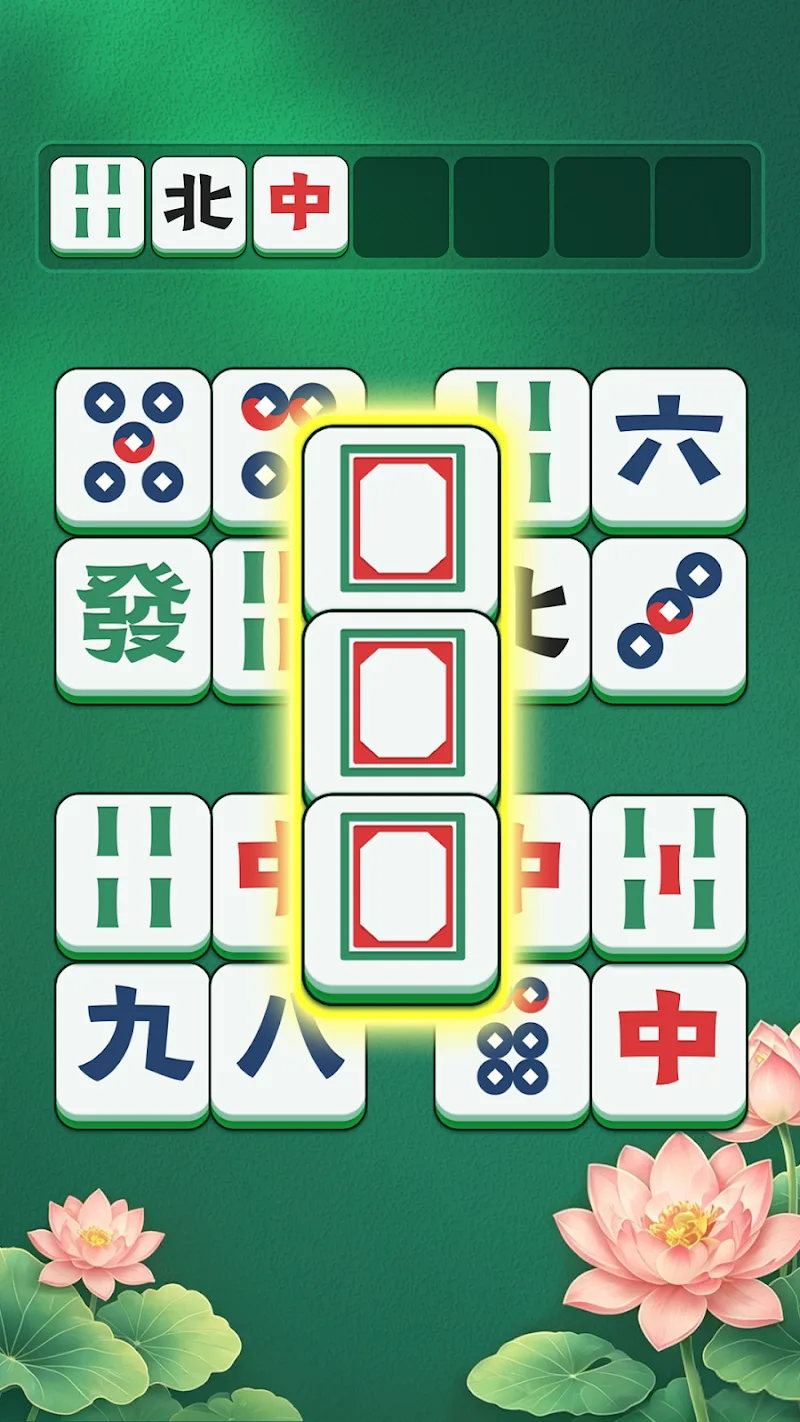
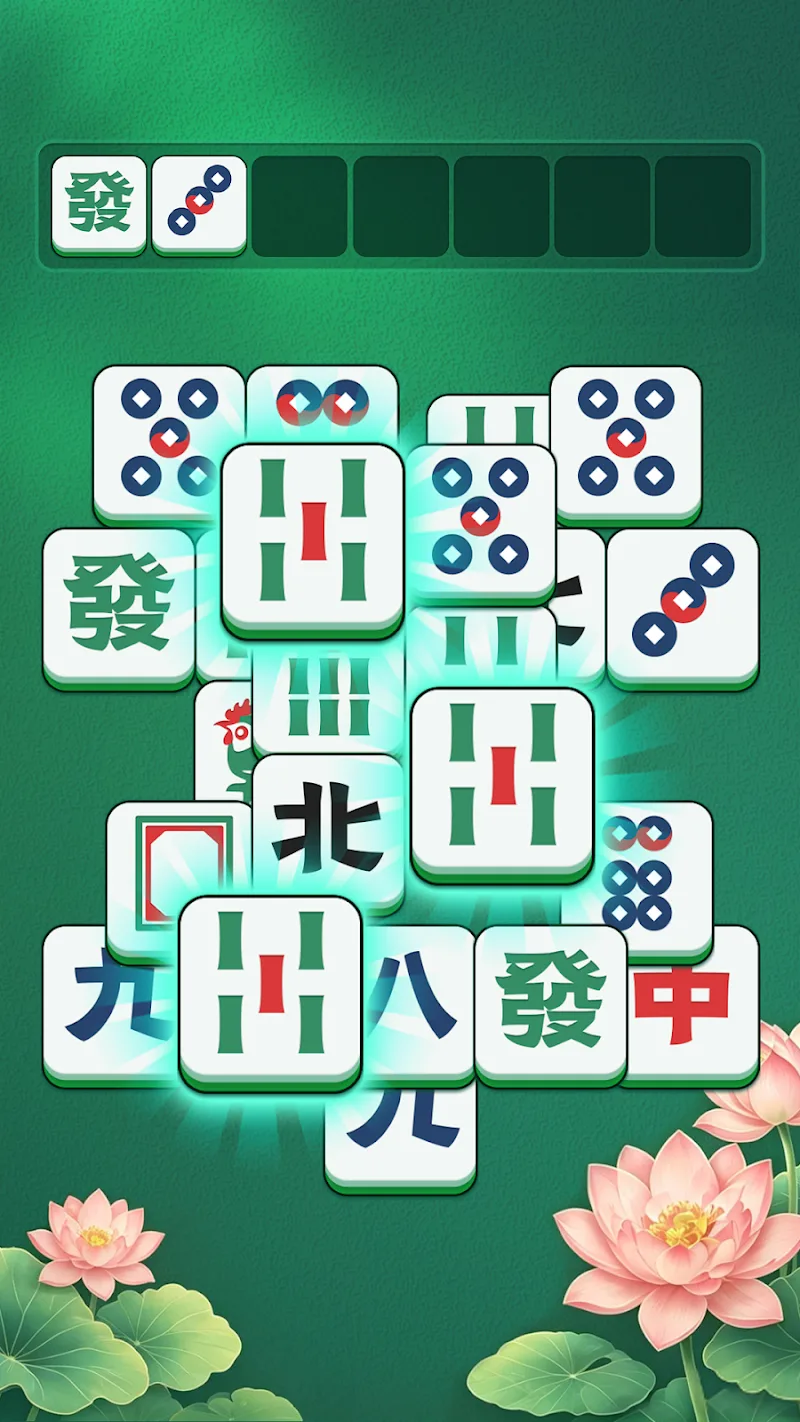
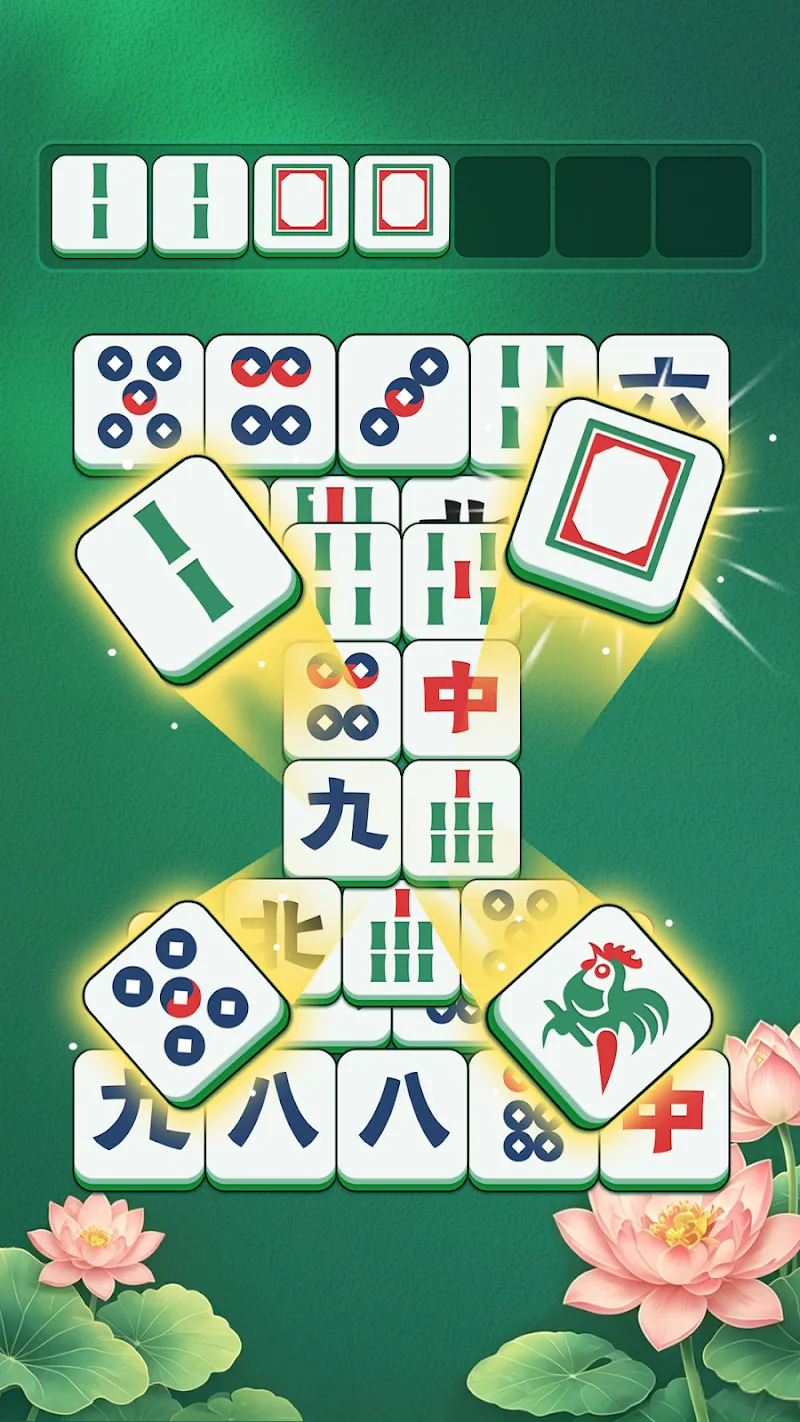
Tile Mahjong Classic is an Android puzzle game built around matching three identical tiles and clearing the board. Developed by SOFISH GAMES, it puts mahjong imagery into a solo matching game with levels to work through. The important detail is that third tile: spotting two matching symbols is only part of the job, so it pays to look across the board before choosing your next match.
Think in Threes
The basic goal is easy to follow. Find matching tiles, complete groups of three, and continue until the board is clear. If you’re arriving with expectations of a traditional mahjong table game, that distinction matters. Here, your attention stays on the puzzle in front of you and the matches needed to finish it.
A useful approach is to look for complete groups rather than letting the first familiar symbol draw all your attention. Two identical tiles can catch your eye immediately, but finding the third takes another look. That small shift in how you scan a layout is central to understanding the matching task. Recognizing a design and finding enough copies of it are separate steps.
There are hundreds of levels, ranging from straightforward matches to more demanding puzzles. That gives the familiar matching rule different boards to work with. You don’t need a new objective every round; the changing arrangement supplies the next problem to solve.
A Board You Can Take Your Time With
Play has no time limits, leaving room to stop and study the tiles. You can spend a moment comparing symbols before committing to a match, without a countdown turning that pause into a penalty. For this kind of visual puzzle, an unhurried pace makes sense: the next useful move depends on what you notice.
Large tiles and an easy-to-read interface support that approach. The game is aimed at adults and seniors, with readability given a prominent place in its design. Clear symbols matter when much of your time goes into checking whether several pieces really match.
Bamboo gardens, tea rooms, and colorful boards provide the visual setting. These quieter backdrops suit the untimed format, keeping the presentation consistent with a game you can approach at your own pace. The appeal is a manageable visual task, with time to think it through.
Daily Puzzles and Offline Play
Daily challenges add another reason to return alongside the regular levels. There are rewards, new tile designs to unlock, and progress tracking. Cosmetic changes give you something different to look at while the central activity remains familiar: find the matching symbols and clear the board.
Offline play is particularly practical for travel or places with an unreliable connection. The matching gameplay doesn’t require Wi-Fi or mobile data, so connectivity needn’t decide when you can tackle a puzzle.
The game includes ads and in-app purchases, which are worth factoring into expectations of a quiet pastime. Offline support and untimed boards are useful features, but they aren’t a promise of an ad-free experience. The clearest reason to choose it is the three-tile puzzle itself, especially if you prefer having time to search for that final matching piece.
















Comments (0)
No comments yet. Be the first!