
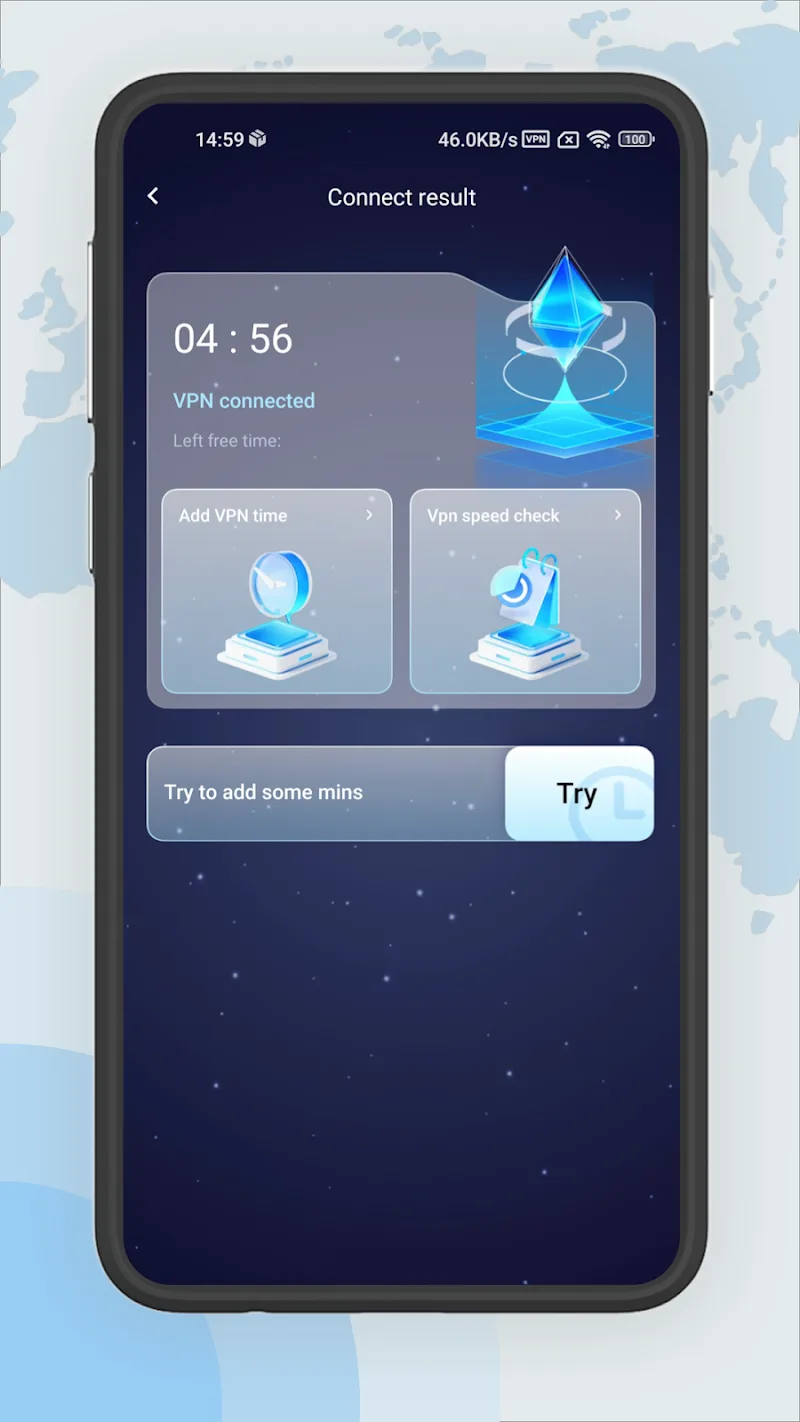
Salmon is an Android VPN app built around a simple starting point: connect without creating an account. Published by devss 000005, it emphasizes one-tap access and a straightforward interface for people who don’t want a lengthy setup process. The app is free and contains advertising. Its convenience is easy to understand, but its privacy claims need a closer look before you decide what to trust it with.
Connecting Without an Account
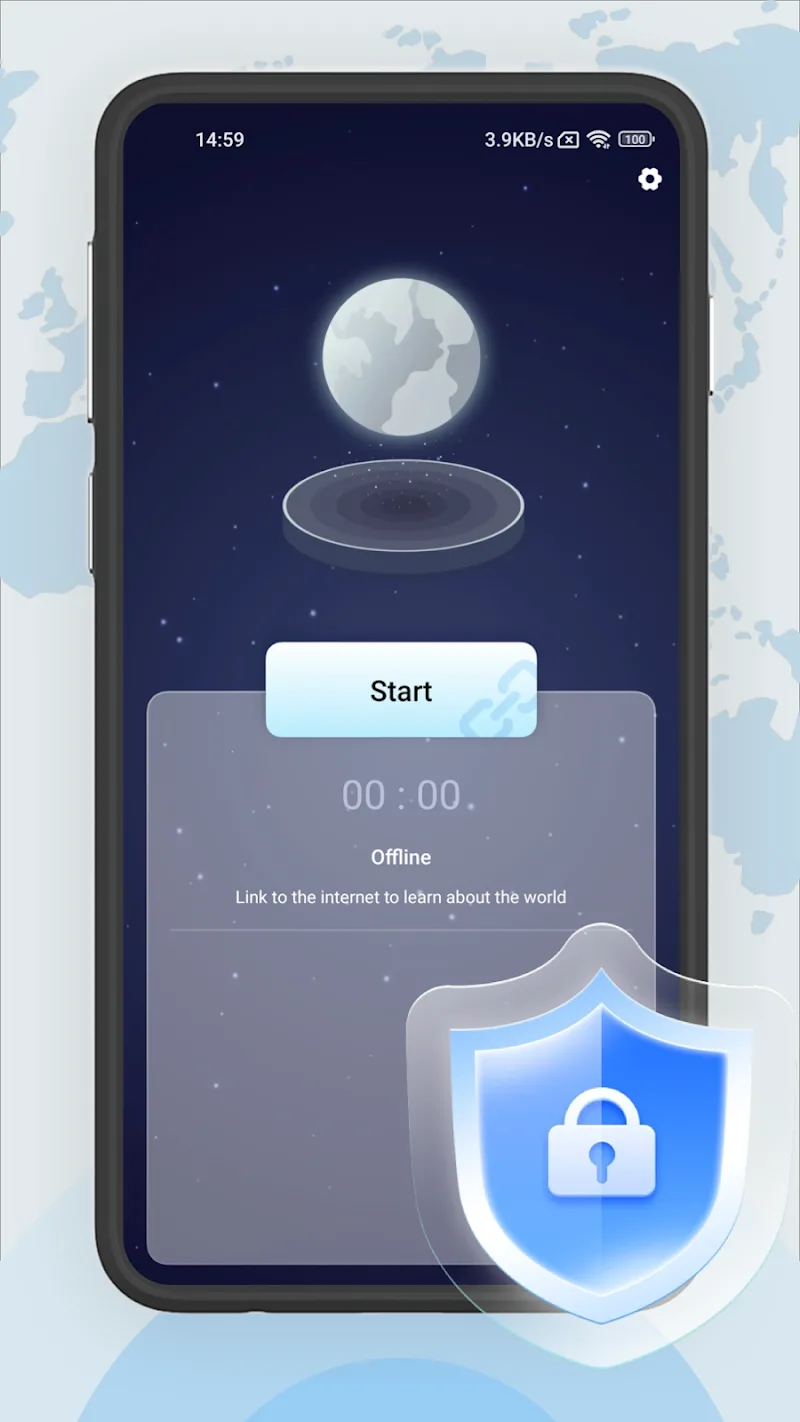
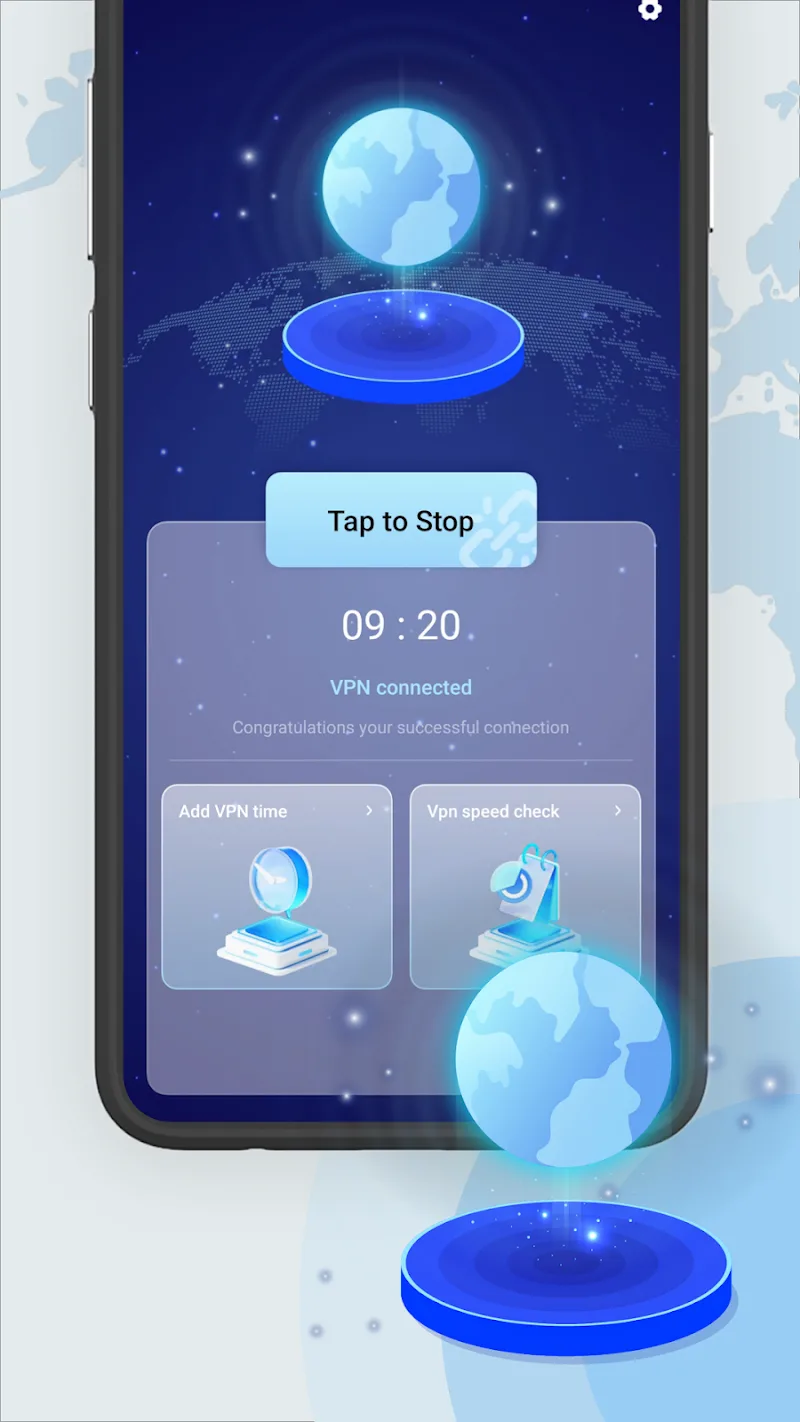
No registration means you don’t need to create another username and password before using the advertised connection feature. That’s a practical benefit if you want to try the app without adding another account to your routine. Open the app and use its connection control to begin the process.
Salmon’s description focuses on simple operation rather than detailed configuration. That makes its intended approach clear: keep the steps between opening the app and requesting a VPN connection to a minimum. It doesn’t establish which advanced controls are available, so anyone who needs a particular protocol or connection safeguard should confirm that feature separately.
The developer also promotes fast servers and reduced latency. Those are performance claims, not measured results. Your own connection, the server involved, and network conditions still matter when judging responsiveness. A quick connection process and fast browsing are separate things; one doesn’t automatically demonstrate the other.
What the Privacy Policy Actually Covers
The developer says Salmon doesn’t track or store online activity. Its privacy policy adds an important distinction: it may collect limited technical information, including device model, operating system version, and basic app usage data, for performance and stability improvements.
Those statements describe different categories of information. A claim about not recording browsing activity isn’t the same as a promise that the app processes no usage information at all. Keeping that distinction in mind makes the privacy language easier to assess without reading more into it than it says.
The policy also states that Salmon doesn’t collect personally identifiable details such as names, email addresses, phone numbers, contacts, or precise location. These remain the developer’s statements about its practices, rather than proof of an independently verified privacy standard.
Advertising adds another consideration. The policy allows for third-party advertising or analytics services, which operate under their own privacy policies. Because the app contains ads, those separate terms are relevant to understanding the overall experience, even though registration isn’t required.
Check Protection Beyond the Connect Button
Salmon’s public information leaves technical questions unresolved. The available product description doesn’t identify a VPN protocol, explain its encryption implementation, or confirm a kill switch. That doesn’t prove these protections are absent, but it limits what can responsibly be promised about them.
For a privacy tool, these details affect the decision more than a short setup process alone. If your use depends on protection when a connection drops, or on a specific security standard, ask for confirmation before relying on the app. Salmon’s clearest documented convenience is account-free connection; judging its suitability for sensitive use requires firmer answers about how that connection is protected.








Comments (0)
No comments yet. Be the first!