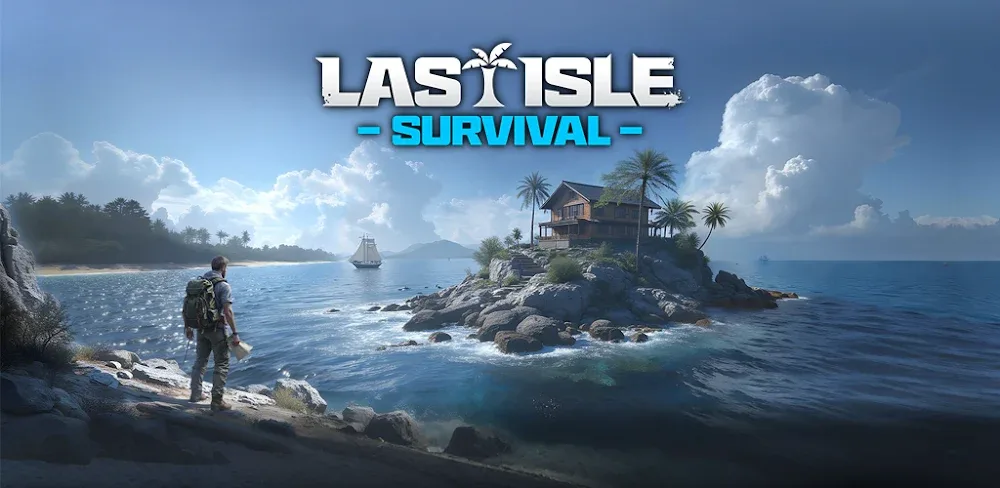



Last Isle: Survival puts your island home and the loot you carry under pressure. This online multiplayer survival game from Chuang Games takes place after a global flood leaves humanity scattered across small islands. You gather materials, build a base, and venture out to fight and scavenge. Finding something valuable is only half the job: during extraction runs, you still need to get out alive to keep it.
Know When to Leave With Your Loot
Extraction gives exploration a clear stopping point. Dangerous zones hold resources worth pursuing, but failing to escape means losing the loot from that run. Once you’ve collected something useful, another search comes with a cost: you’re risking what you already have for whatever might be ahead.
That makes restraint part of the survival challenge. A successful trip doesn’t have to end with every possible item collected. Bringing back enough to support your next project can be more useful than pushing into another fight and returning empty-handed.
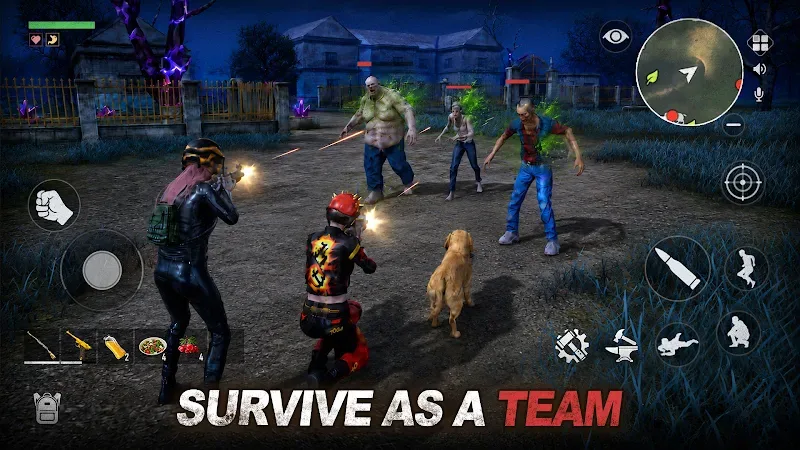
Combat includes both monsters and other players, with switching between first-person and third-person views supported. You can also raid enemy islands, destroy structures, and seize resources. Those encounters connect shooting to the wider struggle for supplies; an opponent may be defending something you want, or trying to take what you’ve gathered.
Give Every Gathering Trip a Purpose
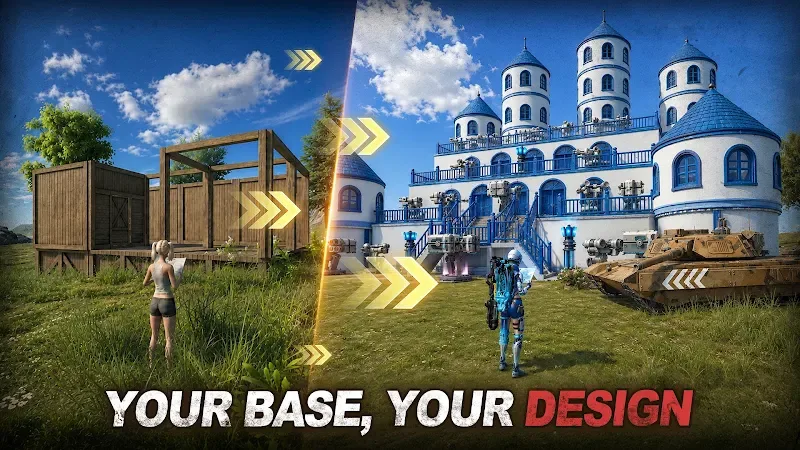
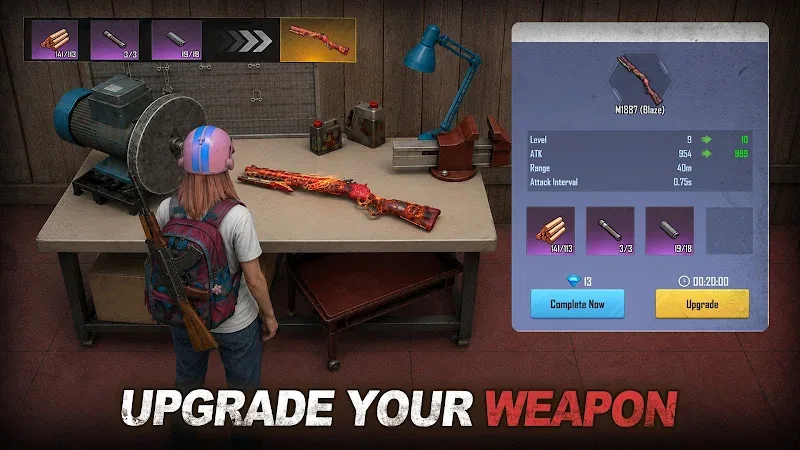
Back home, resources feed construction and crafting. Wood, stone, ore, and plant materials all have roles in developing your island and equipment. Crops and tameable pets add activities around the base, giving you reasons to spend time there between expeditions.
A practical early goal is to make the island useful before making it elaborate. Shelter, storage, and crafting space support the next trip, while a sprawling build can demand materials you still need elsewhere. Expanding gradually keeps the work tied to what you’re actually using.
Gathering also benefits from a little preparation. Decide which construction or equipment project you’re working toward before heading out, then collect with that goal in mind. A supply run feels more purposeful when the materials have a destination beyond another storage pile.
Defense belongs in those plans. Turrets, traps, and mines help protect the base against raids. The same game that lets you break into an enemy island gives other players a reason to threaten yours, so building involves thinking about what needs protection as well as what needs space.
Other Survivors Can Be Partners Too
Friends, alliances, and visits to player bases provide ways to interact outside combat. Guild wars and team battles over island control give cooperation a larger objective. Joining others offers a shared purpose beyond developing your own island, with territory becoming something to pursue together.
Trading adds another use for recovered items. Equipment and materials can circulate between players, so a find may have value even when it doesn’t suit your immediate plans. Getting loot home safely opens up that choice.
Last Isle: Survival requires online play and includes in-app purchases. Its central appeal is the connection between preparation and risk: build something worth defending, take a calculated trip for supplies, and recognize when the haul you’ve secured is enough to head home.










Comments (0)
No comments yet. Be the first!