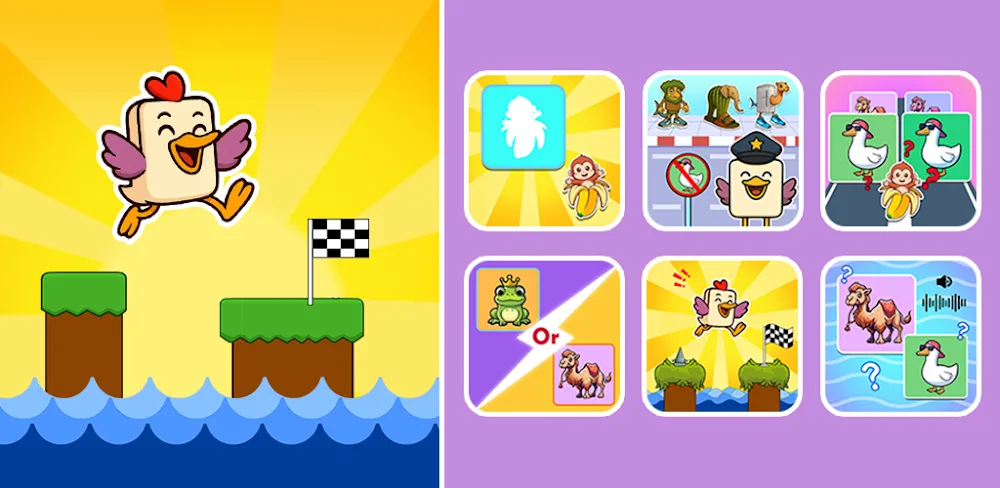

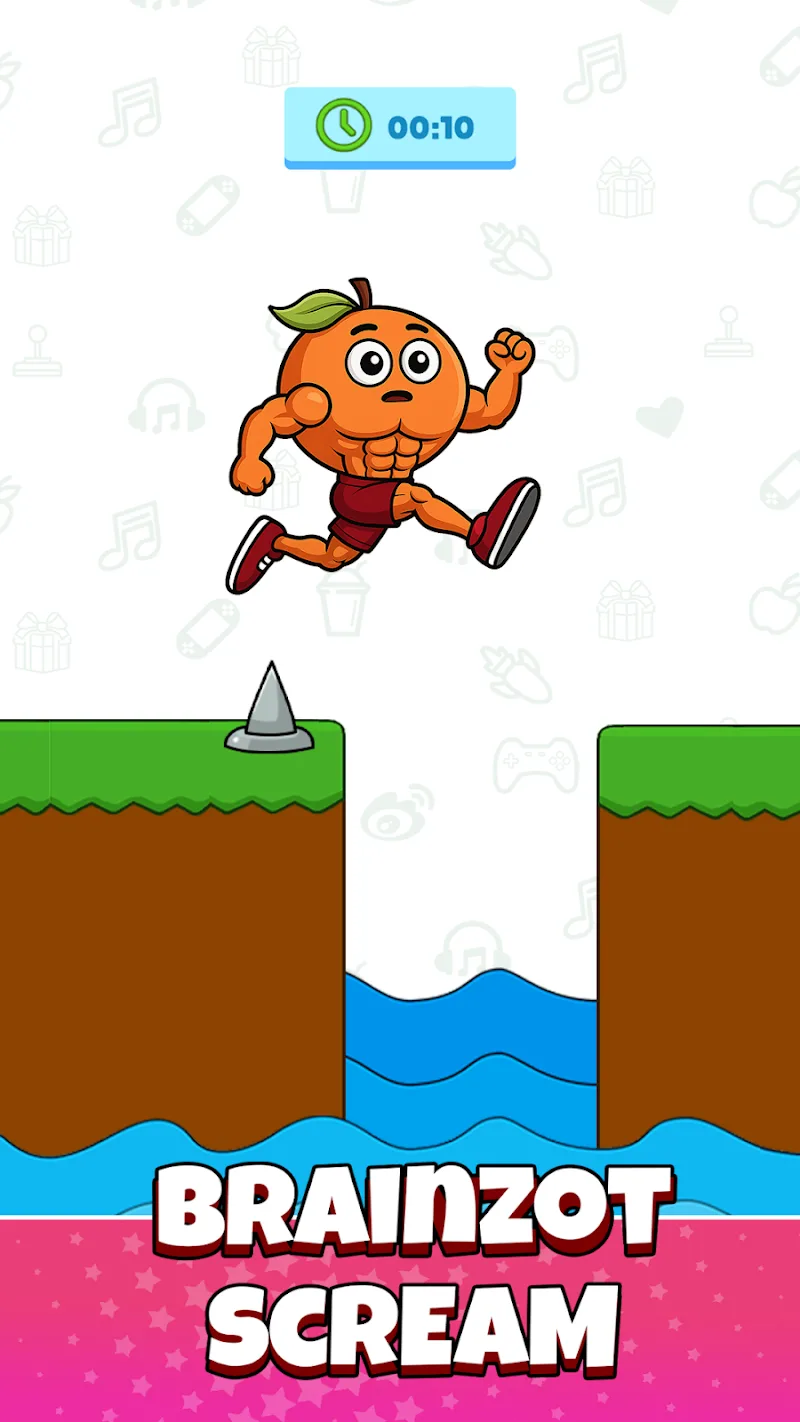
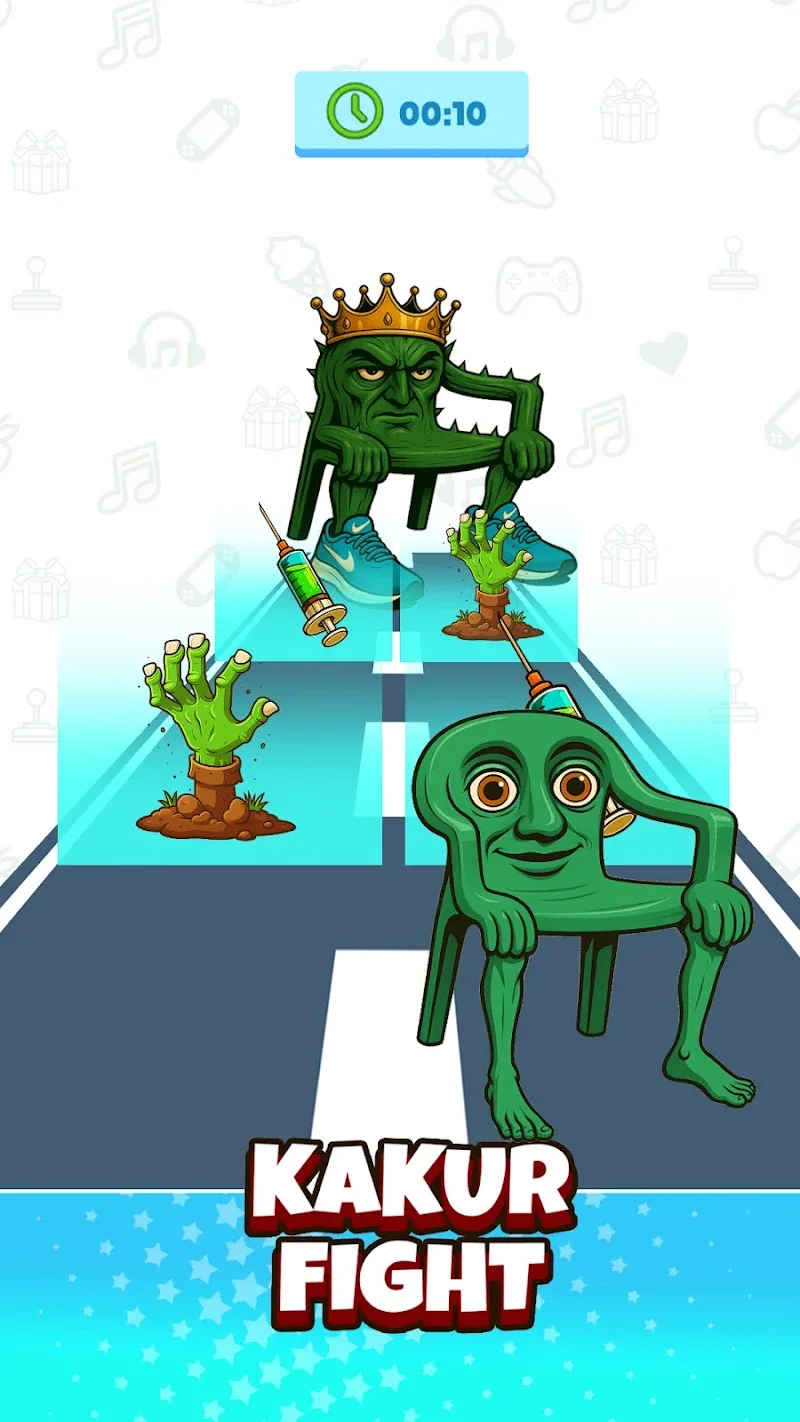
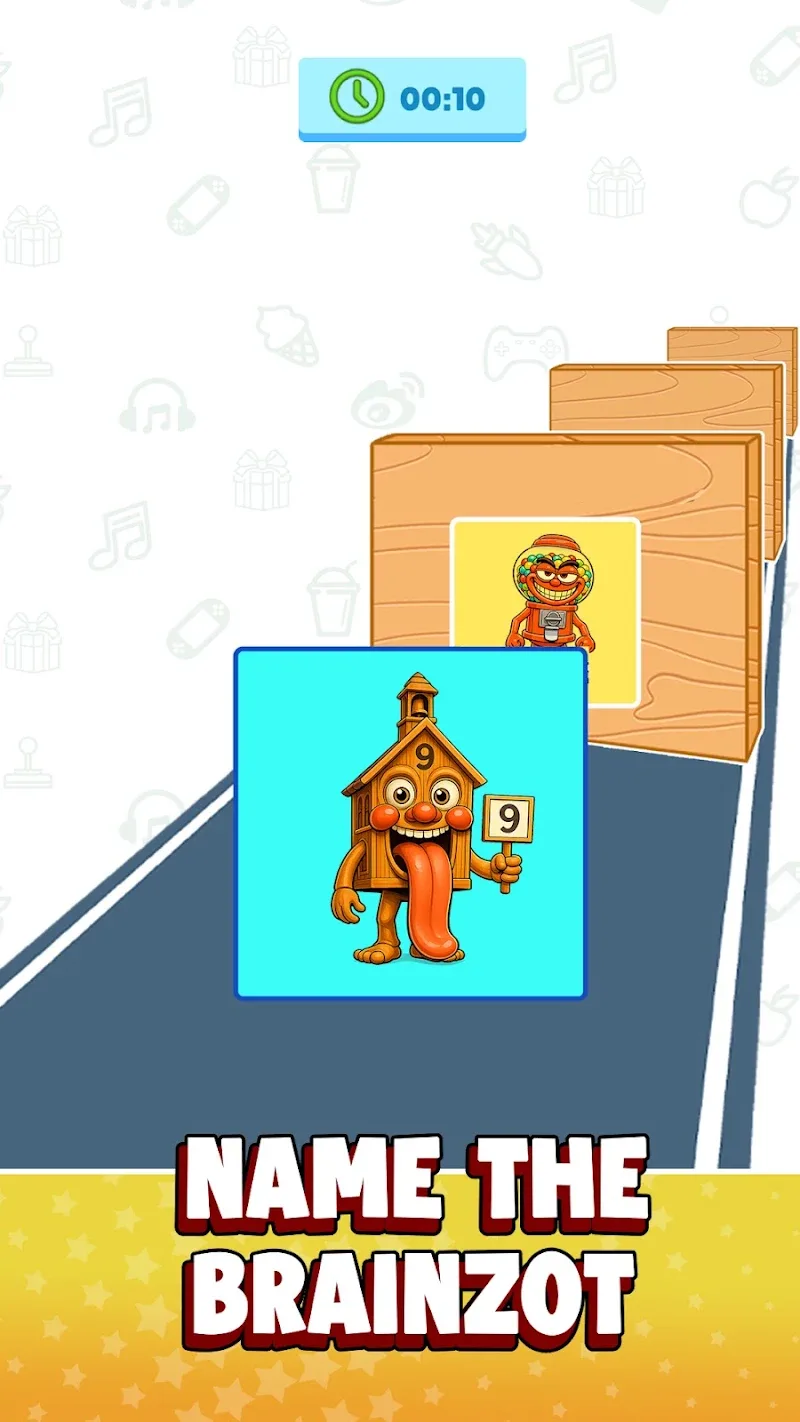

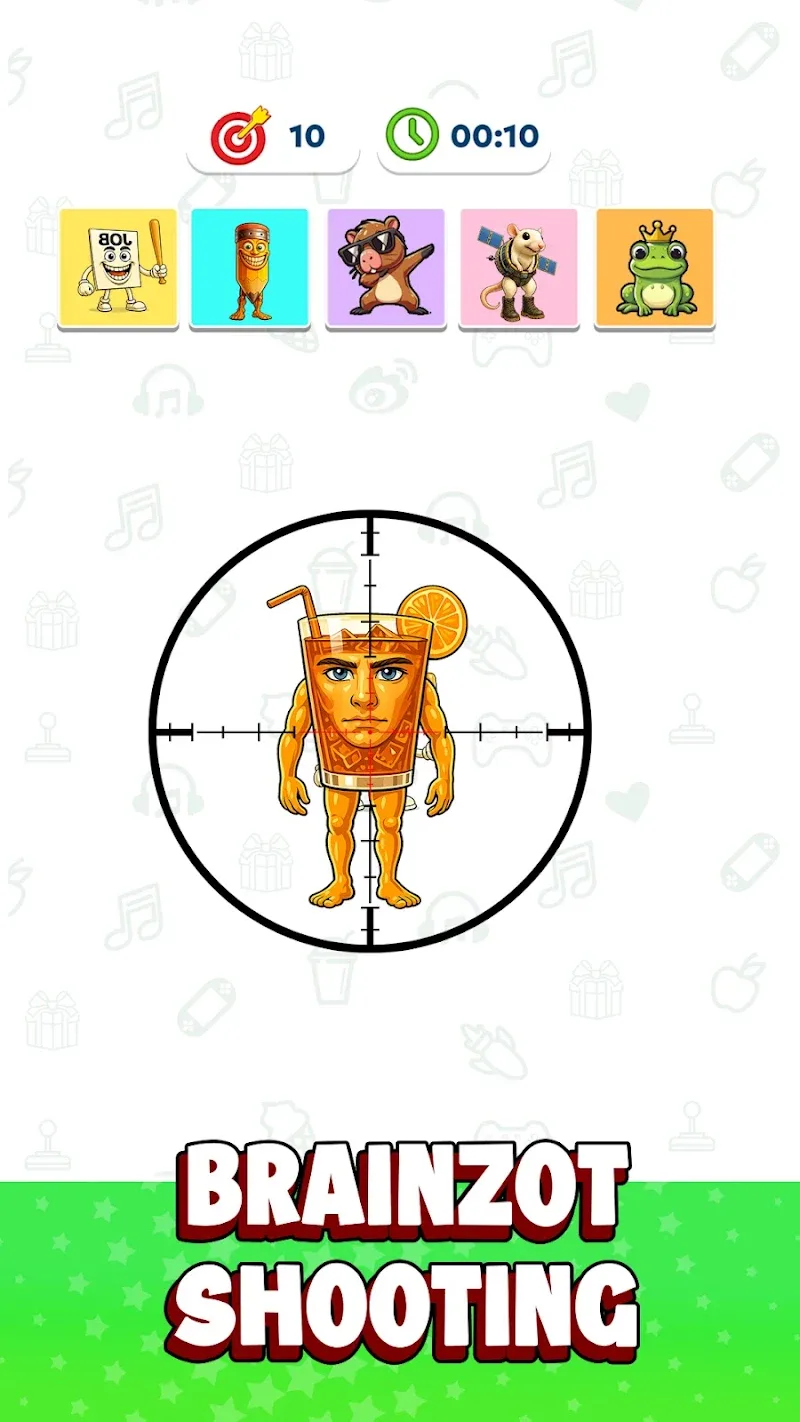
Brainrot Mini Games is a casual collection built for quick, unpredictable challenges rather than one long campaign. A round may ask you to feed a screaming fish, avoid flying furniture, or balance a dancing banana. The premise is intentionally silly, but the repeated task is clear: read the screen quickly, react in seconds, and move straight on to the next odd scenario.
Each Round Changes the Question
The game presents its mini-games in a random order, so a session is not a fixed sequence to memorize. One moment can focus on fast reflexes; the next can hinge on timing or keeping calm while an exaggerated animation fills the screen. That shifting order is the core of the format, giving short sessions variety without asking players to learn a large ruleset first.
Its examples also show that the challenges lean into absurd visual setups rather than realistic themes. Wacky sounds, memes, and strange animations are part of the package, not just decoration around a standard puzzle game. Players looking for a serious score attack may find the humor gets most of the attention, while people who enjoy quick reactions and surprise prompts have a clearer reason to return.
Short Challenges Leave Little Downtime
The developer describes each challenge as something that can be completed in seconds. That scale makes the game easy to pick up for a brief break: one prompt appears, you react, then the next mini-game reshuffles the situation. There is no indication of a story campaign or detailed character progression in the current product description.
This pacing puts a premium on the first read of each task. The point is not to patiently plan several moves ahead. It is to recognize what the current screen wants before the strange setup becomes a failed attempt. Randomness means a familiar challenge may return, but it does not guarantee that the surrounding session will feel identical.
Leaderboards Add a Competitive Thread
Brainrot Mini Games includes a leaderboard and invites players to challenge friends. That gives the rapid-fire format a target beyond simply seeing the next joke. Instead of treating every mini-game as a separate diversion, you can use the changing set of challenges to chase a stronger standing.
The Android release contains ads and in-app purchases, and it carries a Teen rating with mild violence listed in its content information. Those details are worth considering for families despite the cartoonish premise. The game suits players who want a rotating stack of meme-flavored reflex tests, but its current description does not promise deep strategy, a narrative, or a carefully ordered set of levels. Its strongest idea is the constant switch: finish one bizarre instruction, then find out what the next screen asks you to do.








Comments (0)
No comments yet. Be the first!